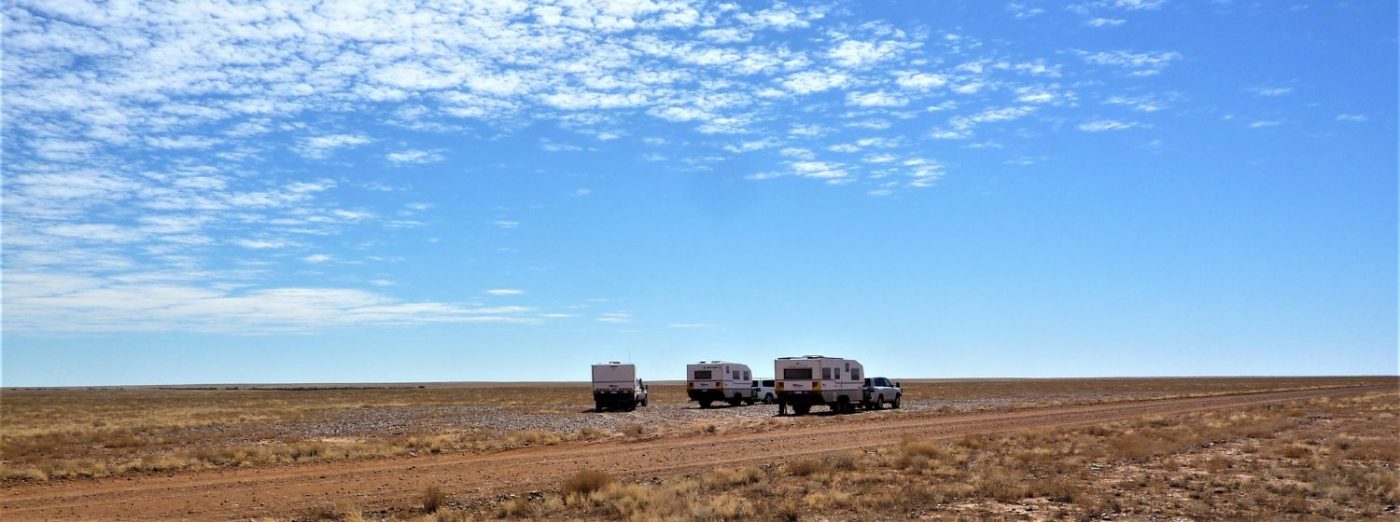
Soweto
This the place where most of the black people live……!
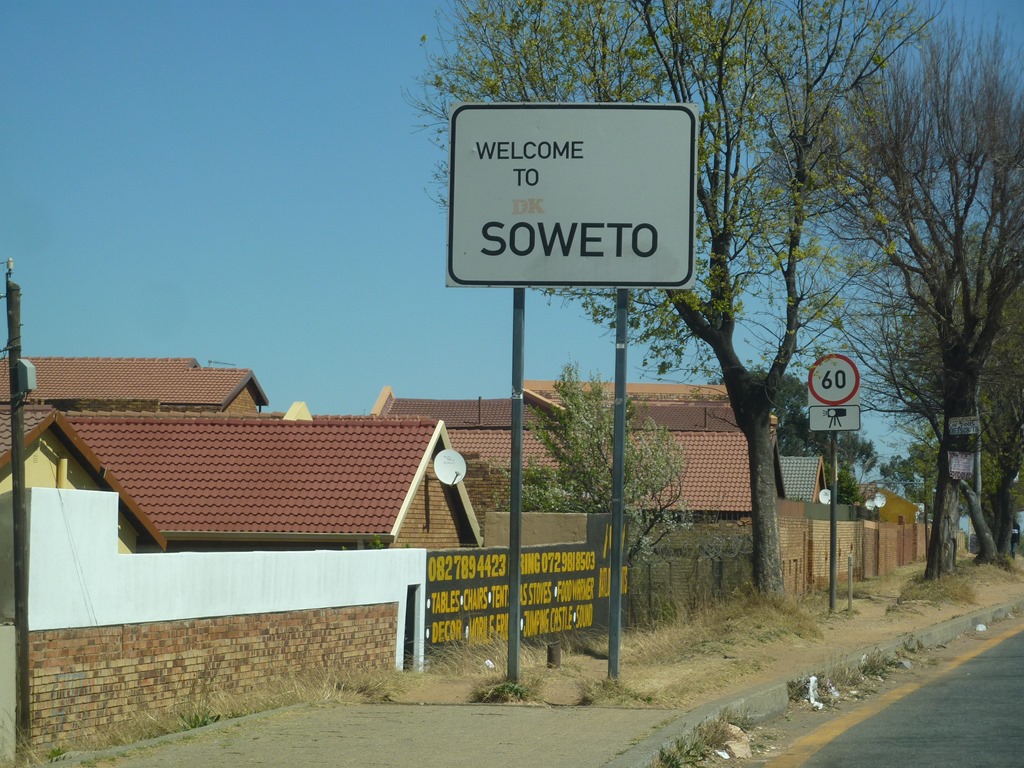
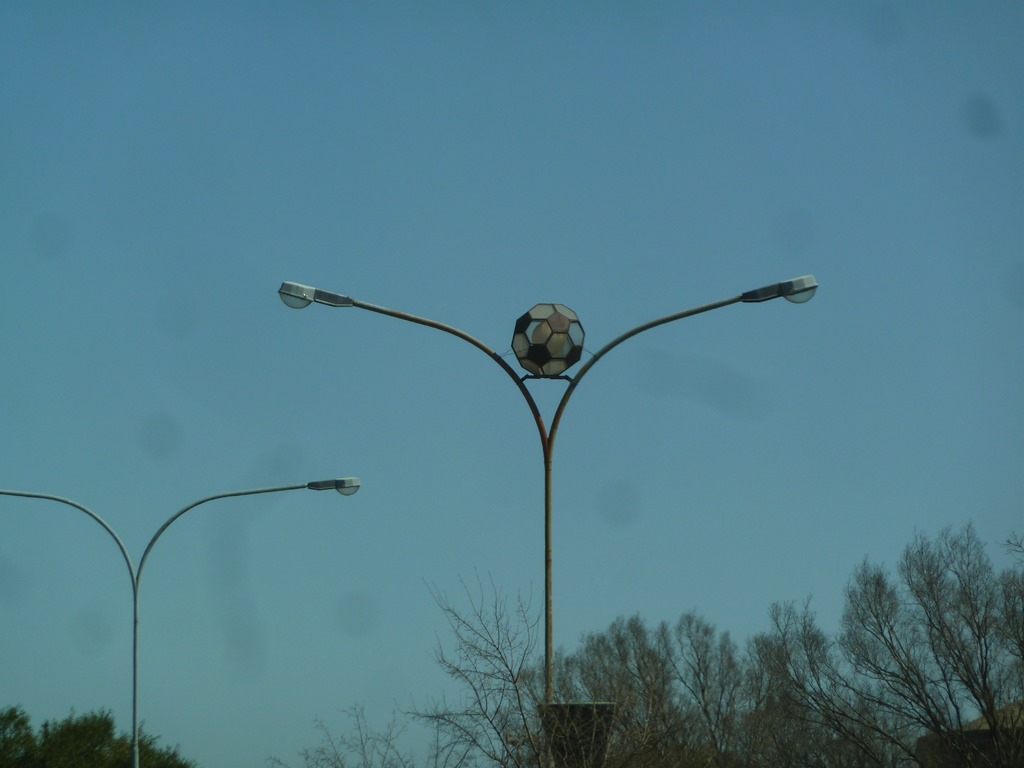
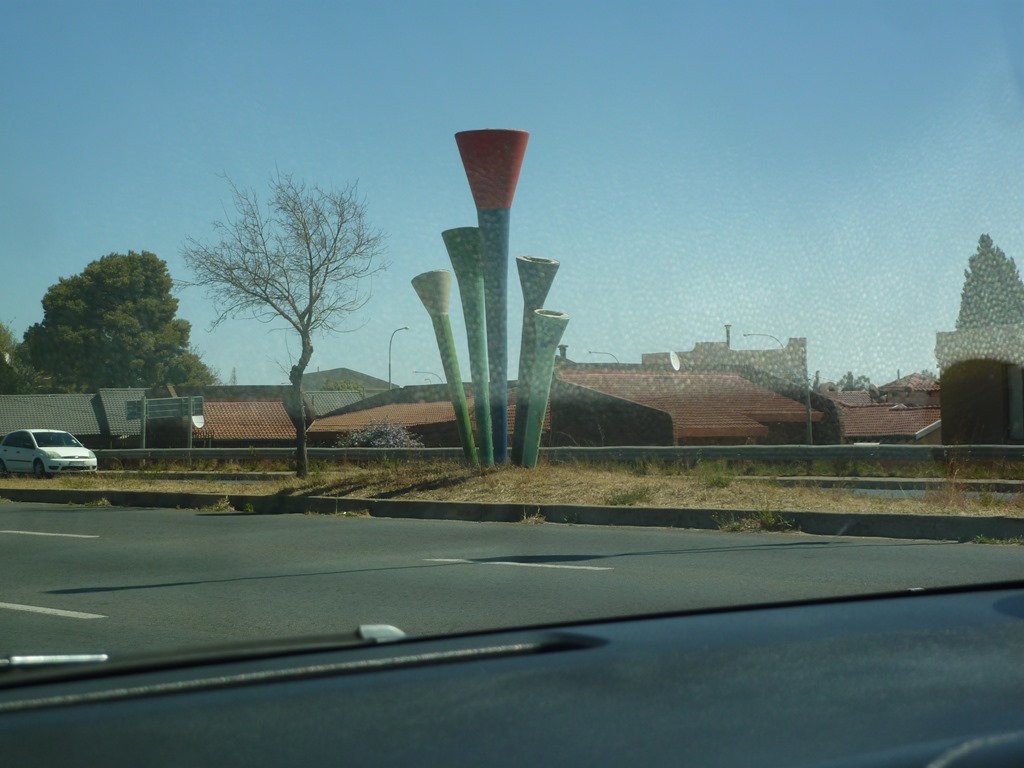
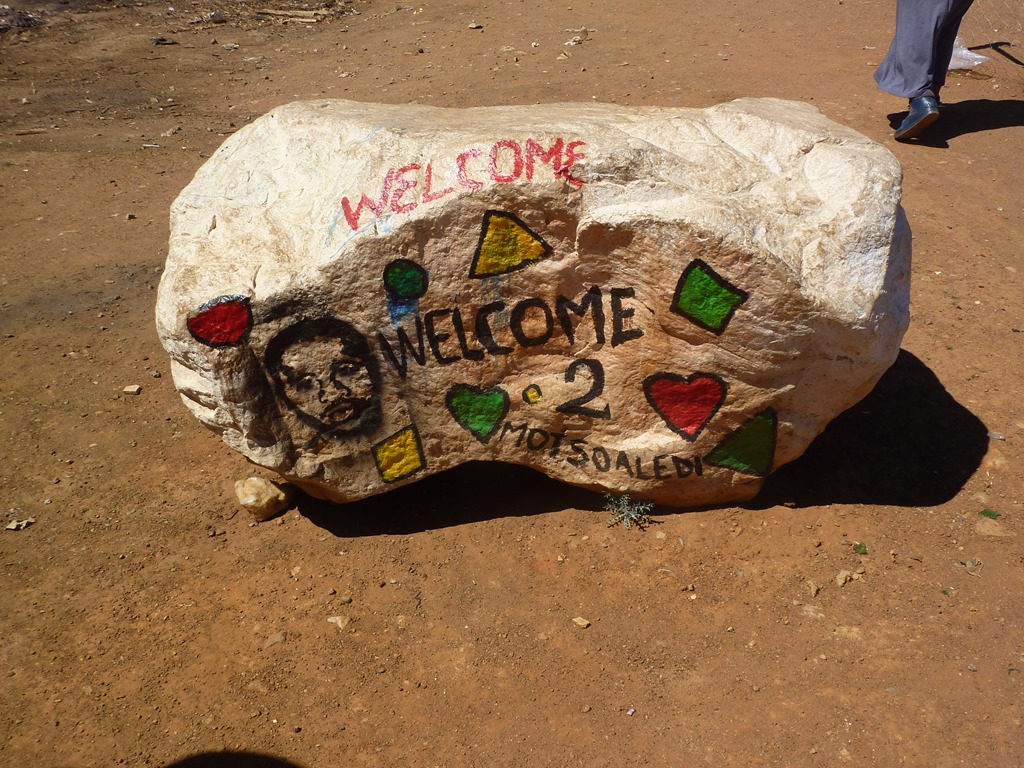
Having passed the ‘Welcome to Soweto” sign, with its’s roadside ‘sculptures’………….a soccer ball in the street lights and basoubas (not sure if this spelt right) they seem to have been invented for the world cup matches here in the nineties, they are like horns and just make a lot of noise!
We are driving in what looks like a pretty normal suburb
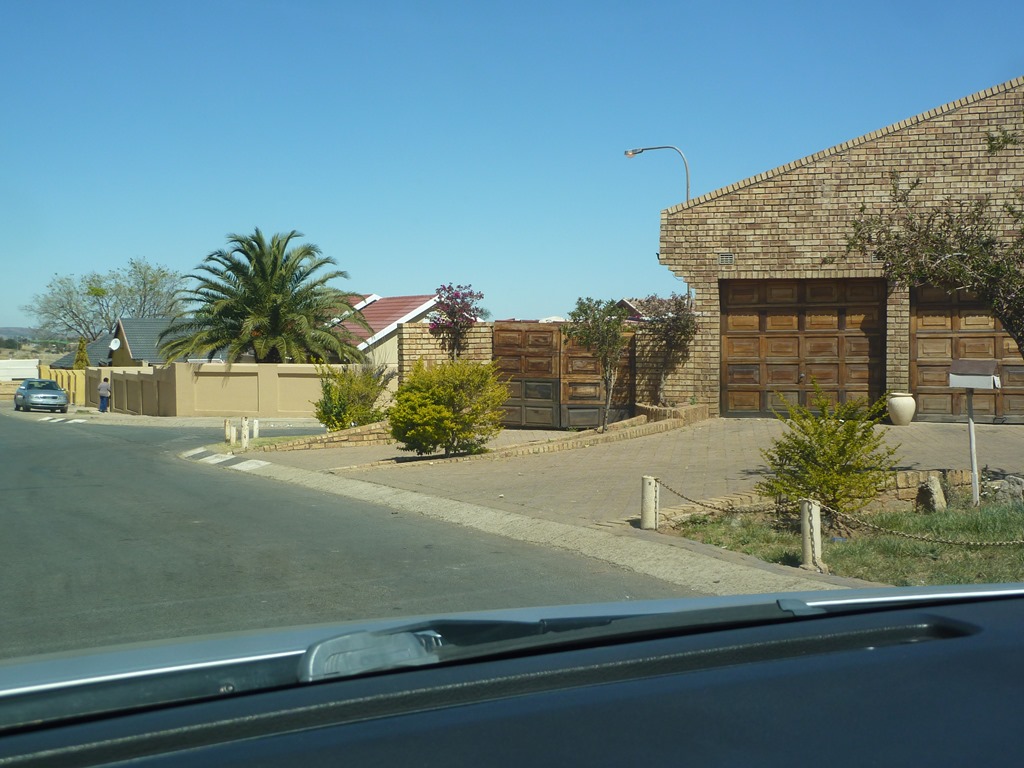
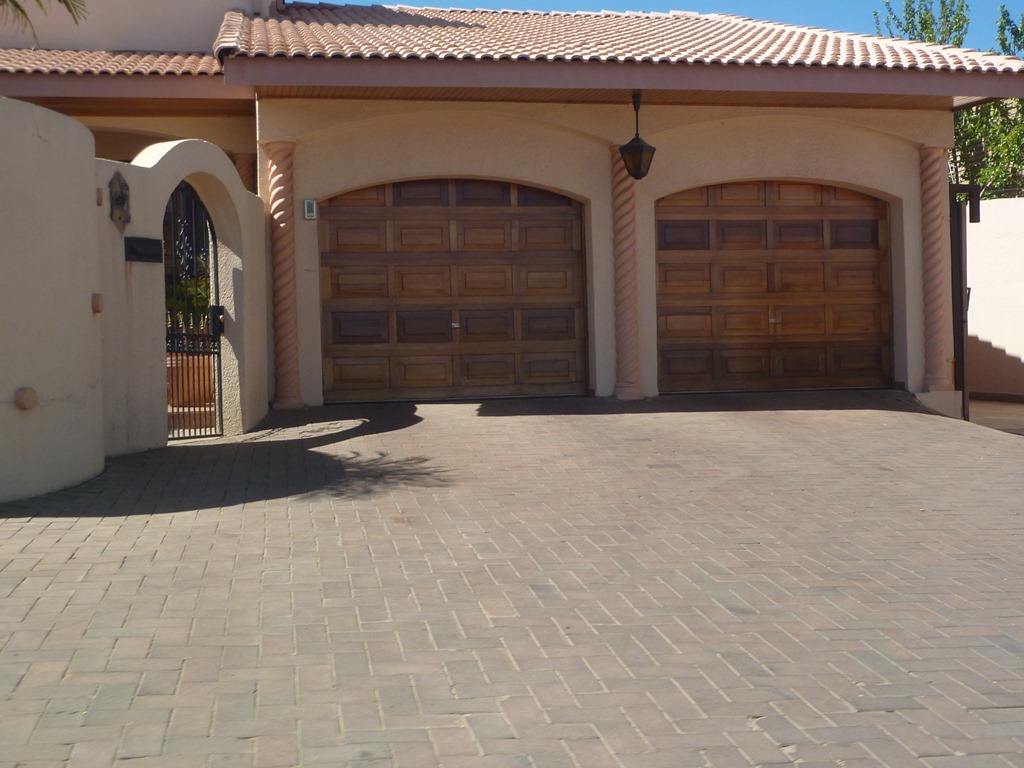
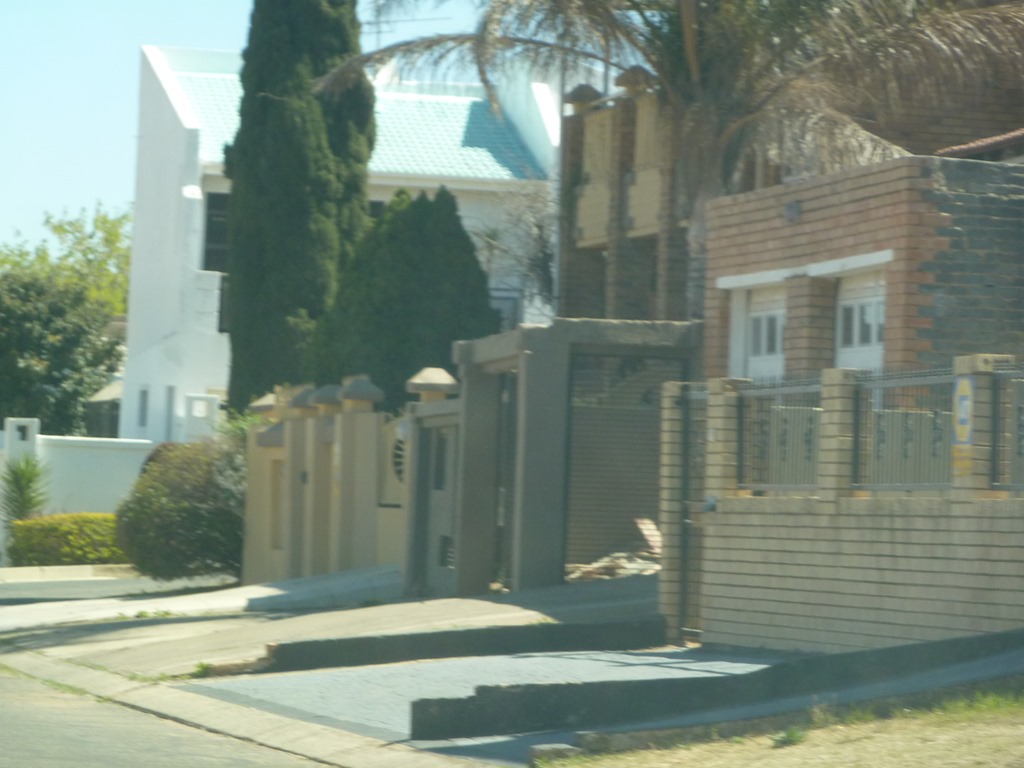 Our guide informs us that this is ’middle class’ Soweto!!!! Middle class Soweto, we are amazed, this is not the Soweto that we have seen on television or in documentaries and yet here it is, a whole mass of middle class suburban homes.
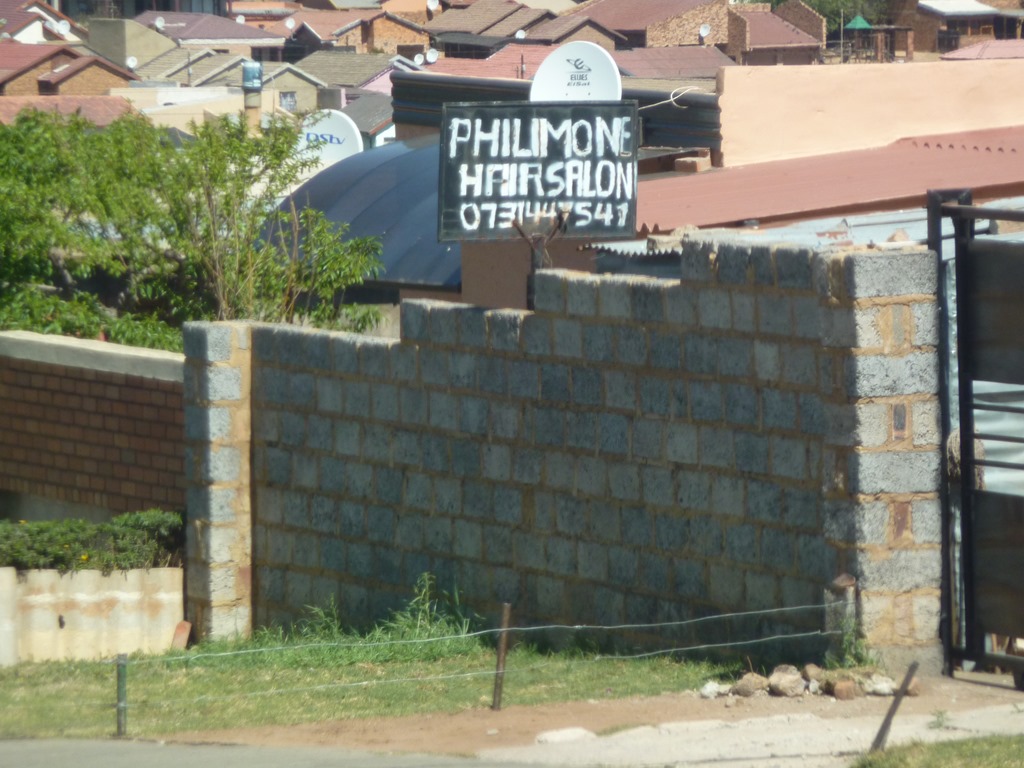
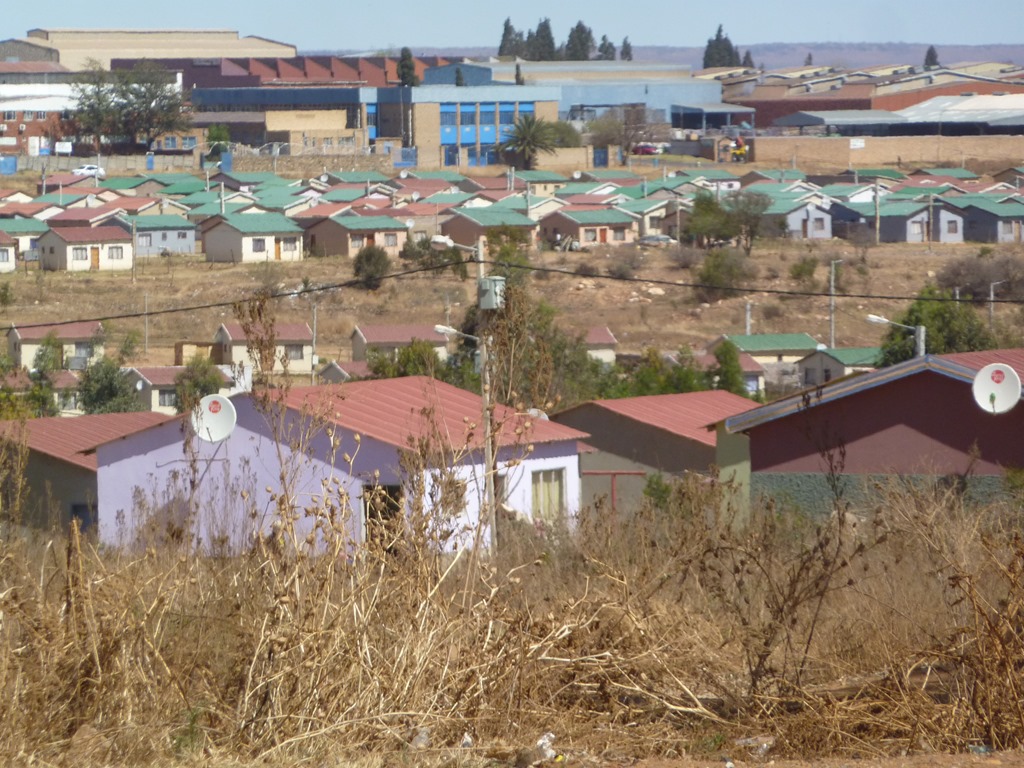
As we pass through this area, there is a steady change in the style and quality of the housing and we come to the RDP homes.
 .
.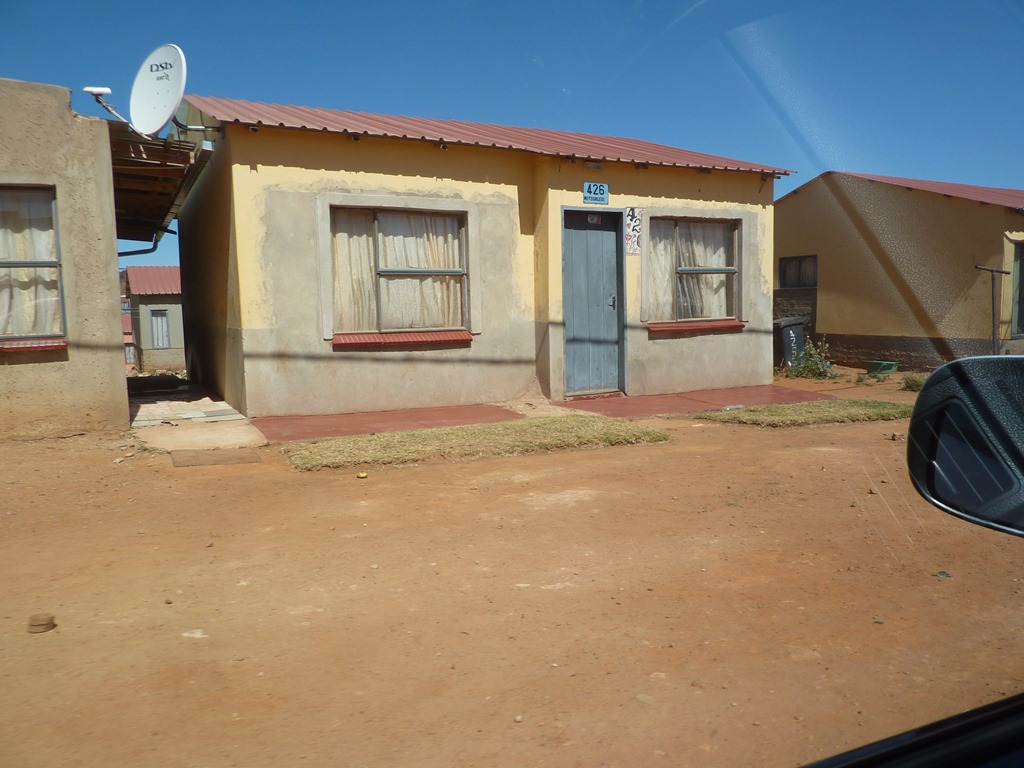
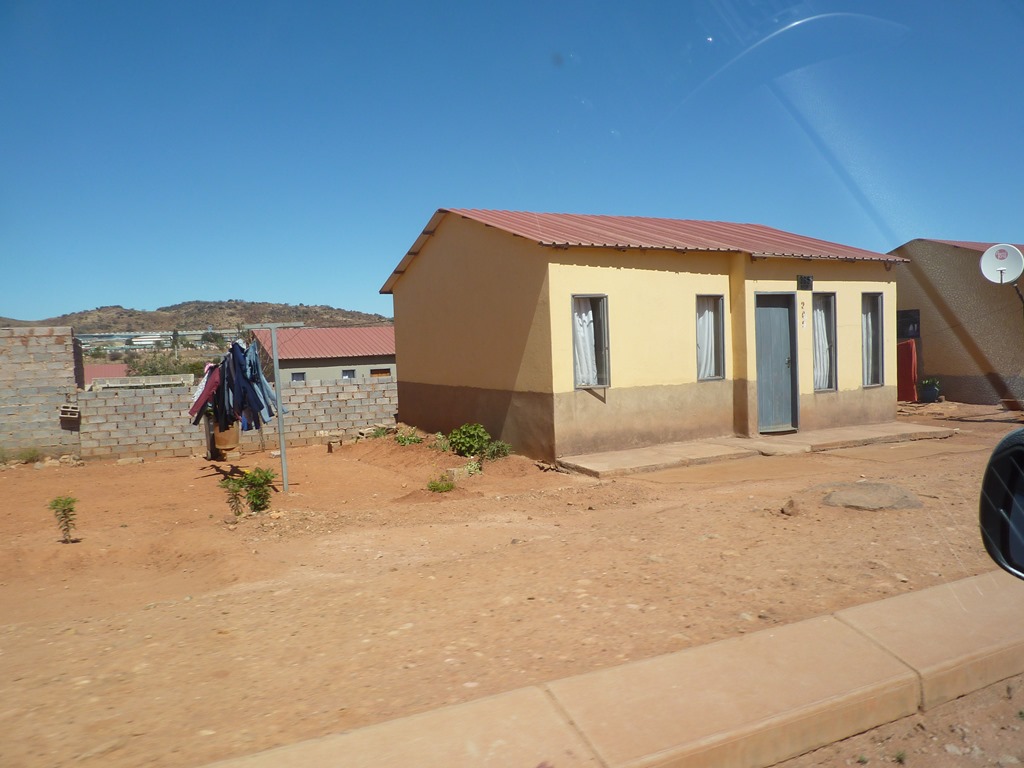
 These are homes that the African government are building by the thousand to house the Africans who are living in the shanties. Many of the
 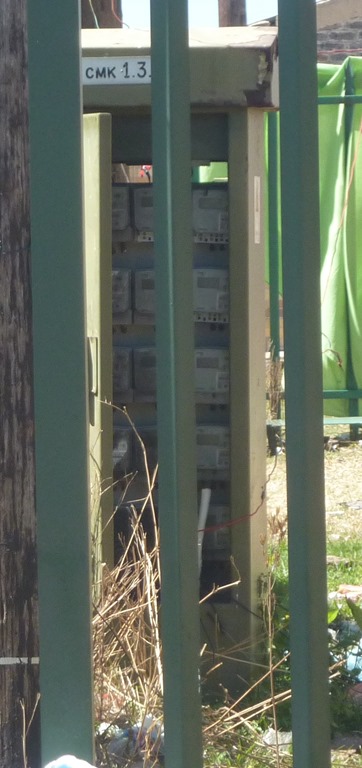 homes have by-passed the electricity supply a seriously dangerous practice but life is cheap here! After several ks of RDP we eventually come to what is described as the ‘informal’ part of the township.
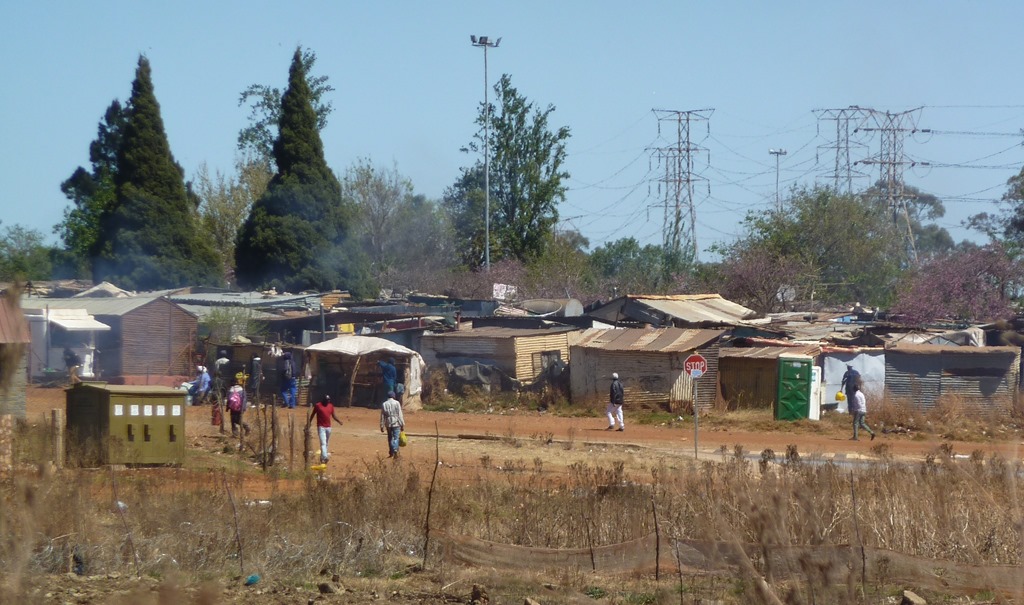 We are taken into the township where we are met by Ceswar, which I’m sure I’ve spelt wrong. This young man (26) was born here, he is very open and unexpectedly well read, is halfway through a law degree and has to come back to earn money to complete it. He is a remarkable young man, with a plan vision and a mission to make a difference to his people, we wish him well and think we will hear more of him. He takes us round parts of this township, he is proud of his background, his people and their struggles against apartheid and the oppression that they have suffered. He taught us the South African handshake and how to say thank you very much.
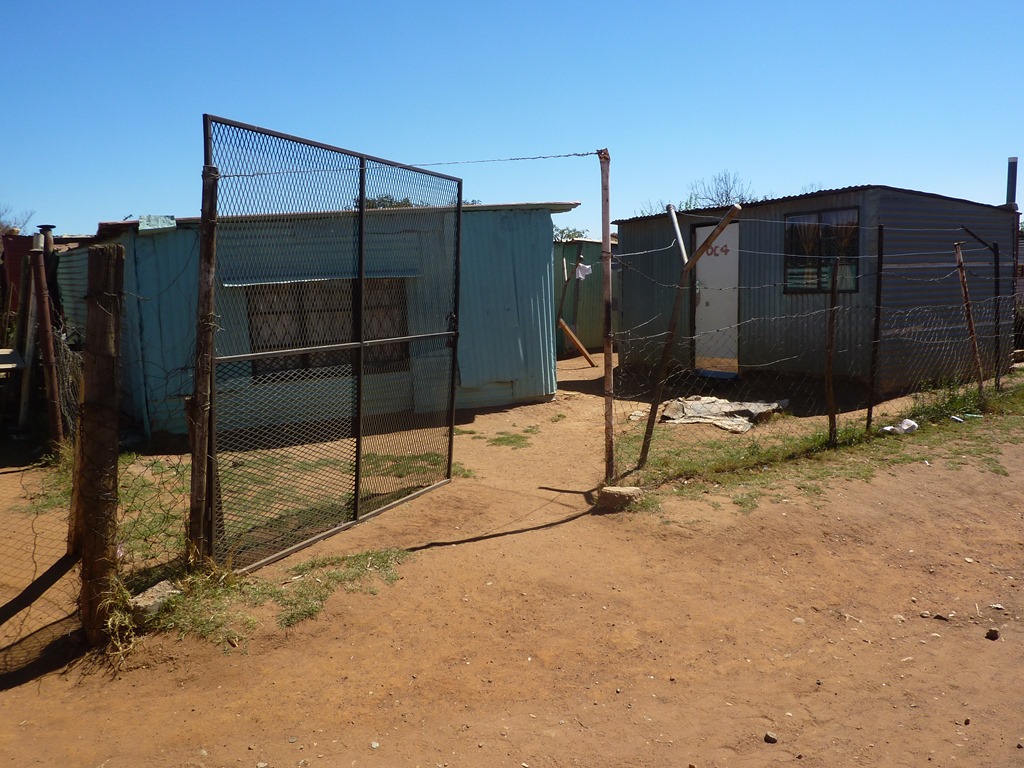
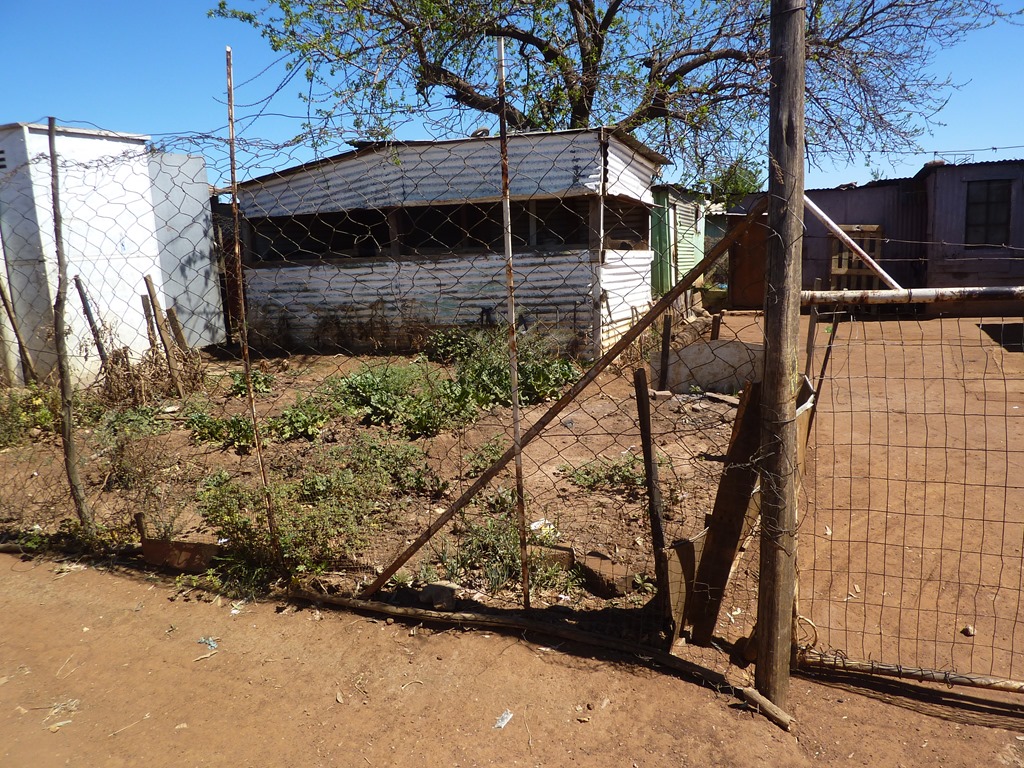
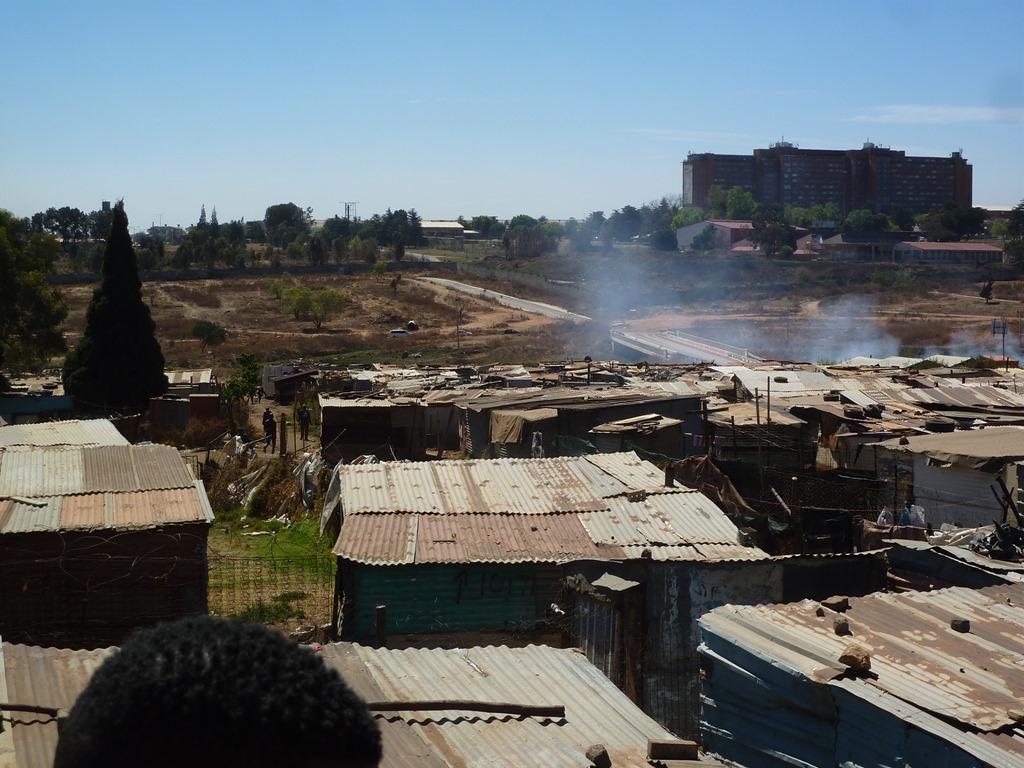
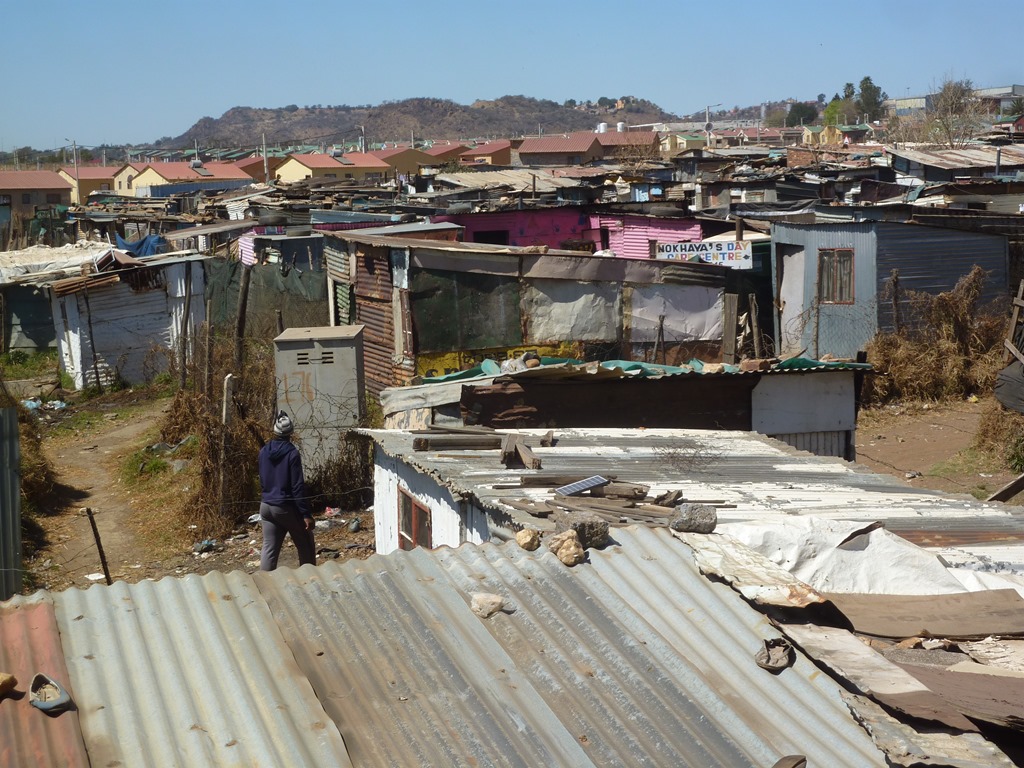
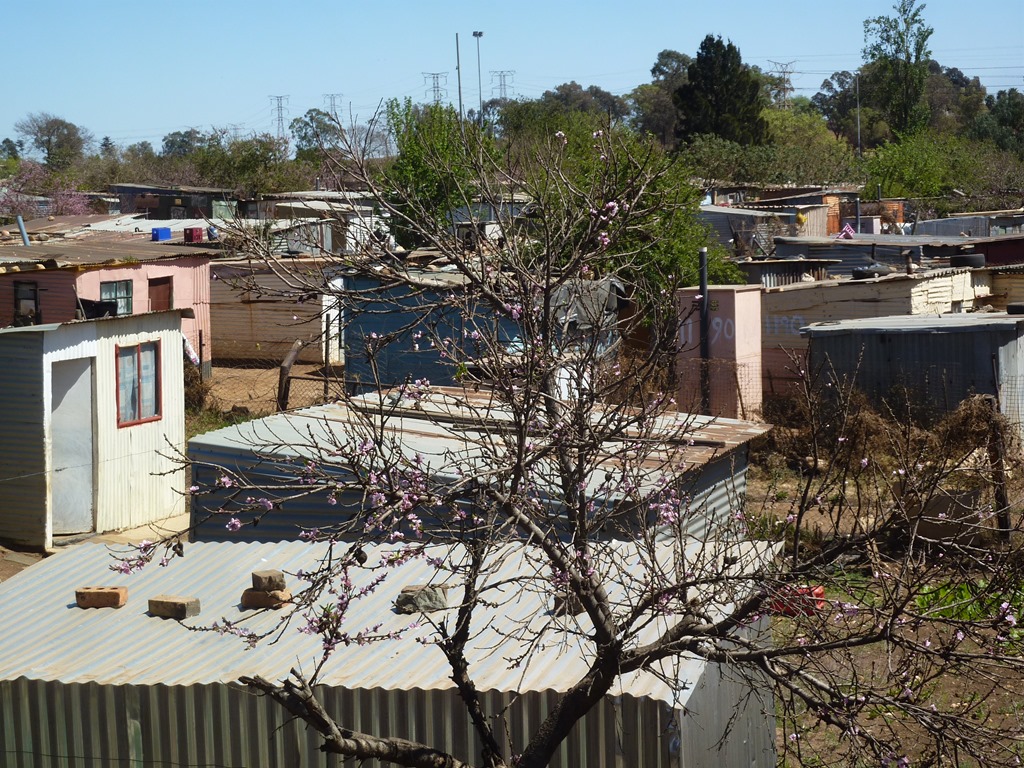
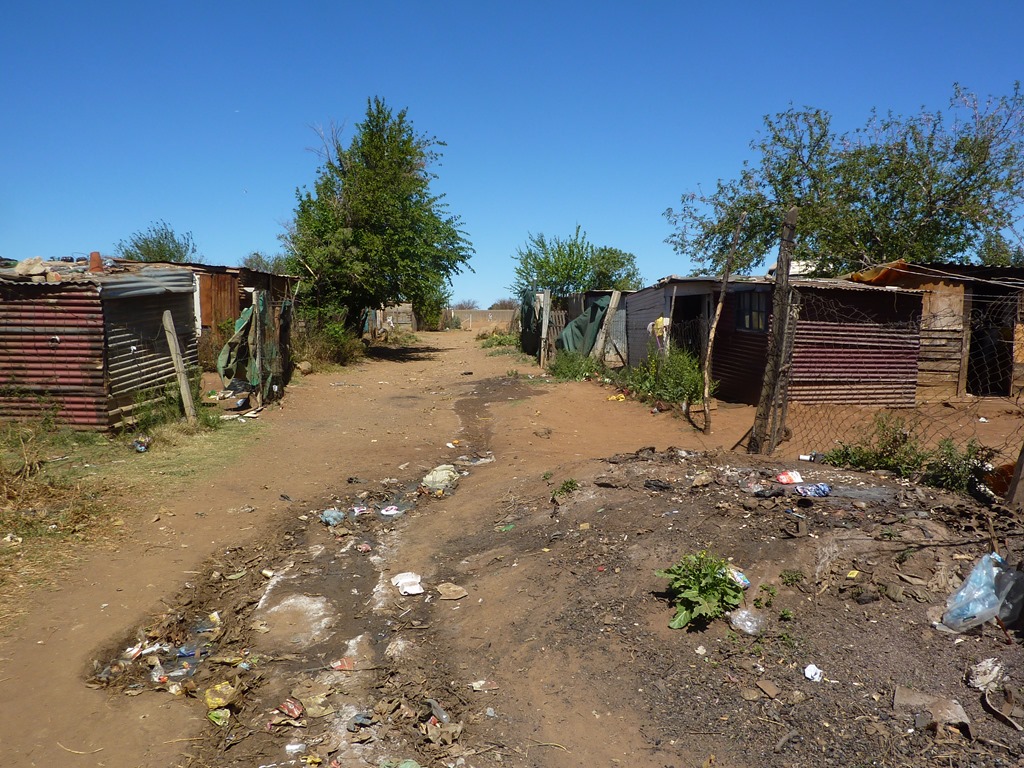
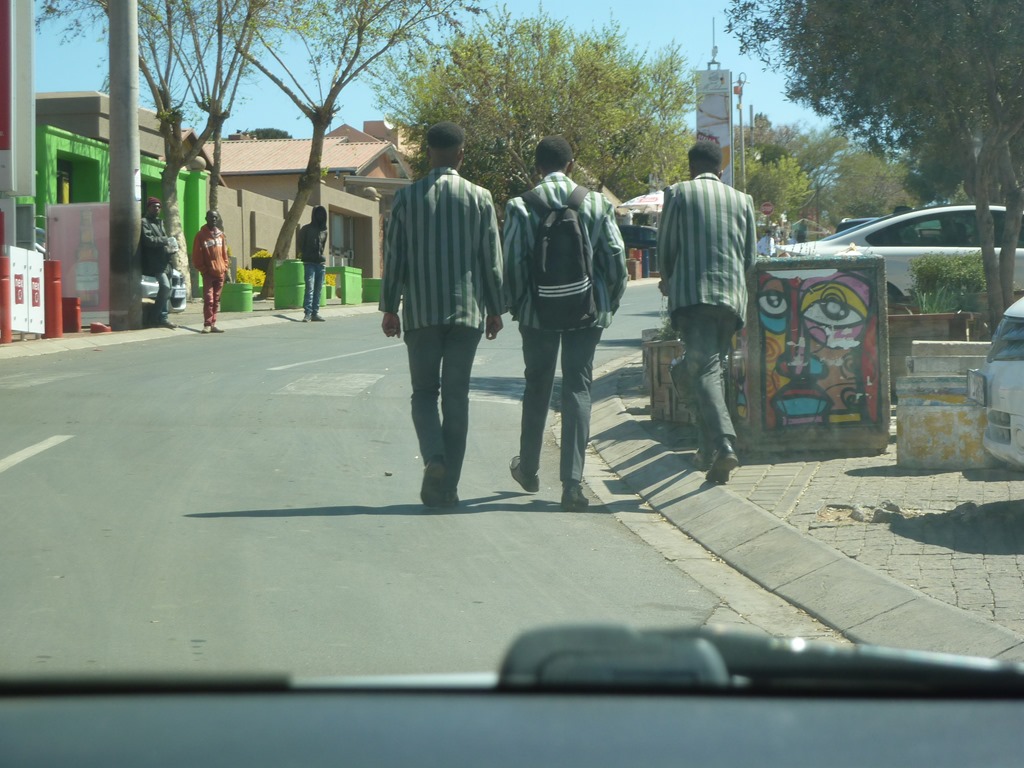
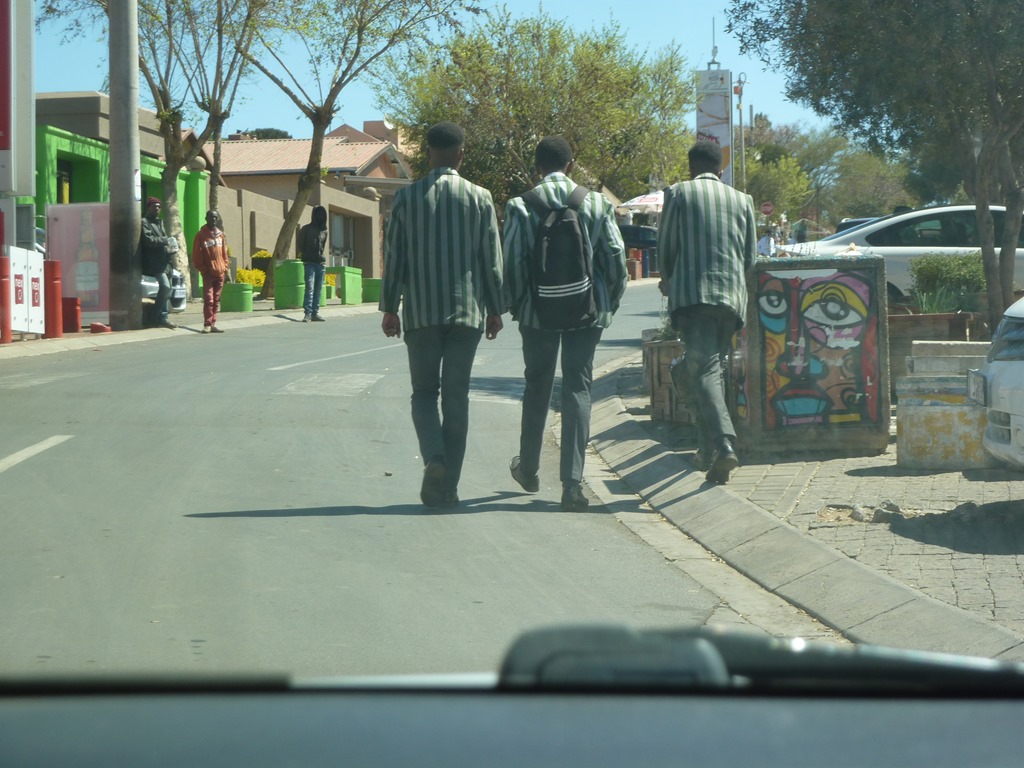 There is no electricity in these ‘informal’ townships, water is from a standpipe that can be half a k away and there is no sewerage. Yet the yards are almost invariably clean and tidy, swept even. There is no official rubbish collection but the residents seem to manage to clear up most of the rubbish and in fact are very good at recycling which they make money from and use for the community. In spite of this the children’s school uniforms are immaculately clean and most people’s clothes, if not fancy, are clean and well kept, the women in particular are well turned out and colourful.
There are fifteen of these townships, usually comprising middle, poor and very poor areas, the population of each is approximately 15,000 so there are probably around 150,000 people, just in Johannesburg, living in these conditions. These places should rightly be, on the conscience of every white African.
From here we are taken to another township Orlando which is where Nelson Mandela lived, his home is surrounded by fences made from steel tube and when we were there was being visited by a party of schoolchildren.
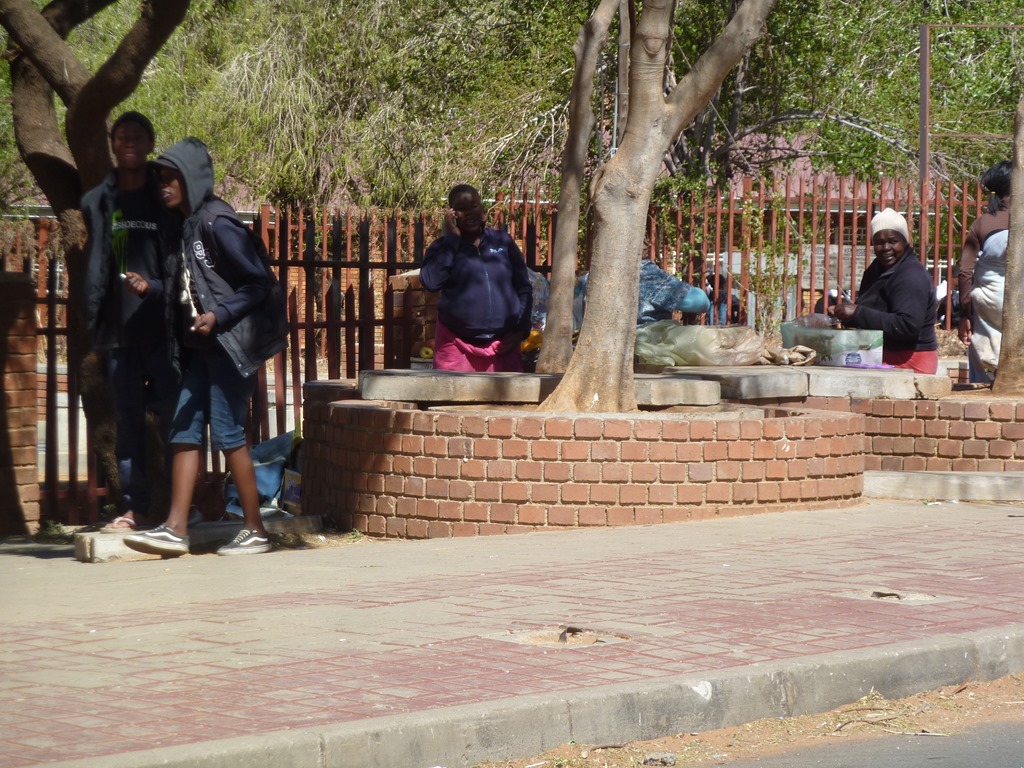
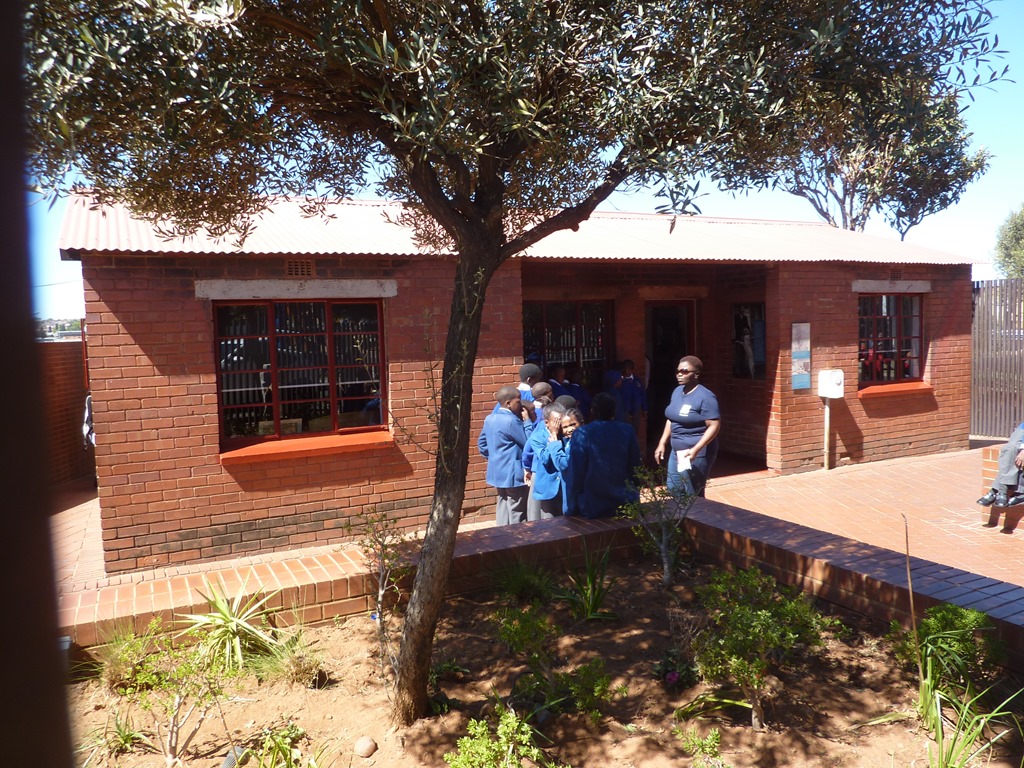 Unfortunately this area is seriously commercialised, we were hassled by street vendors and people just trying to make money from tourists.
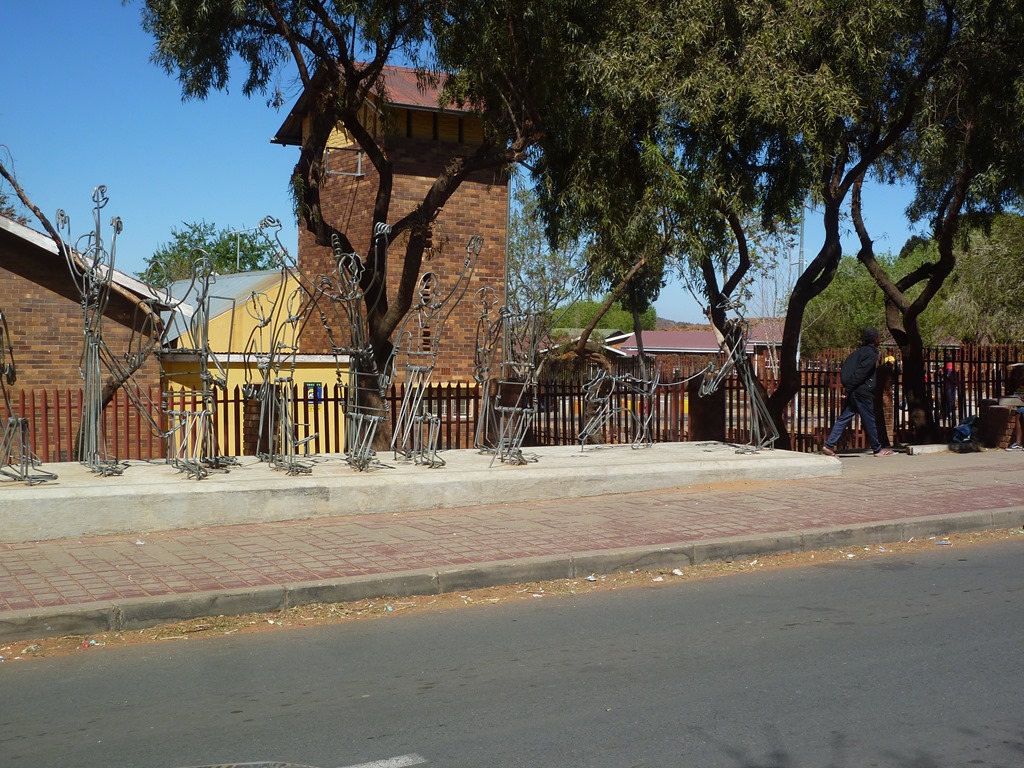
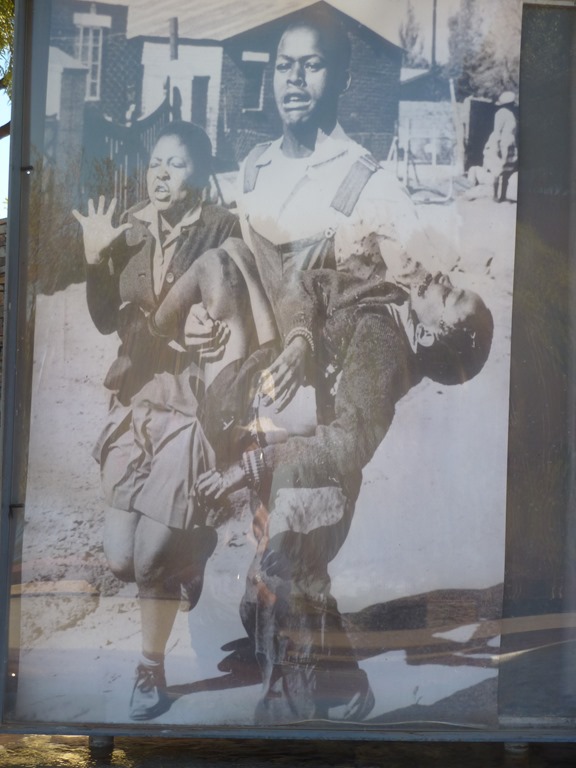
It was in this township in 1976 that the thousands of schoolchildren took to the streets to protest against the forced transition to Afrikaans as their primary language. They already spoke their own language and were being educated in English and they were expected to change literally overnight to learning and taking exams in a new language. They were fired upon by white policemen, several were killed and thousands seriously injured. At one point the tear gas was so thick the police released their dogs. A memorial commemorates this action. It is made of steel wire and is difficult to photograph but you might be able to make out the policemen and his dog on the right and the children with their hands in the air to the left.
 One of the children killed was fifteen year old Hector Pieterson and a museum has been built in his memory, which covers the history to the school protests and in detail the events of June 16 1976 as they unfolded. It is a very moving and emotional place and dreadful indictment to man’s inhumanity to man. This picture of Hector being carried from the scene and his sister’s anguish says it all
 ngiyabonga kakhulu


Wow didn’t know a lot about that, did you feel safe, it looks awfully dodgy.