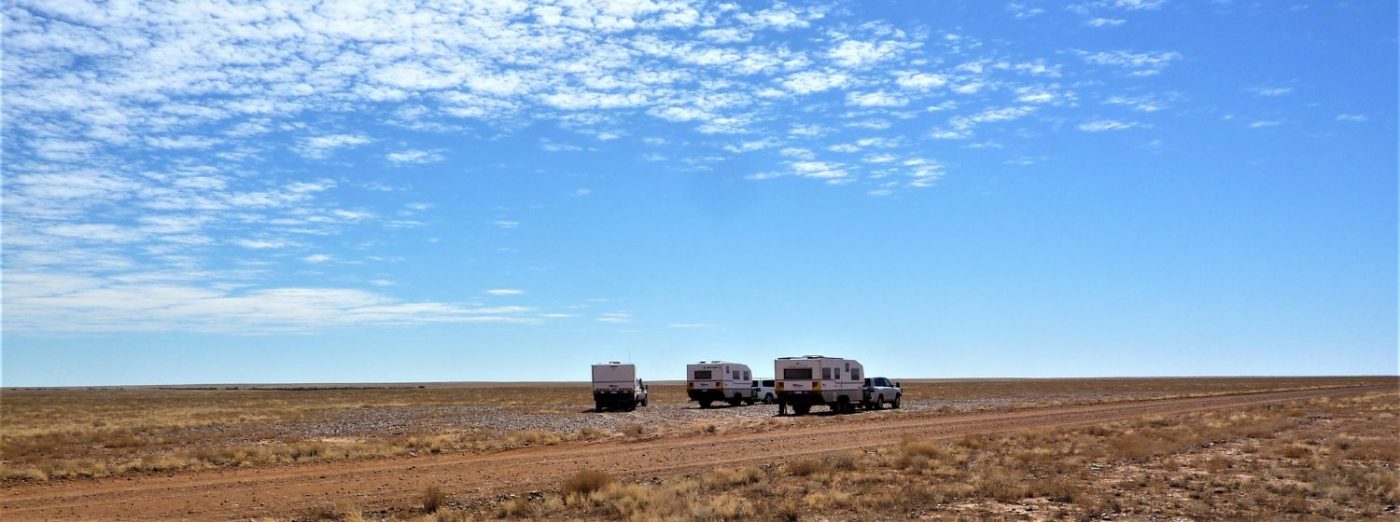
Tuesday 21st June
The town has tried to create some interest with signed walking and driving trails. Unlike Cue there are no stone buildings.
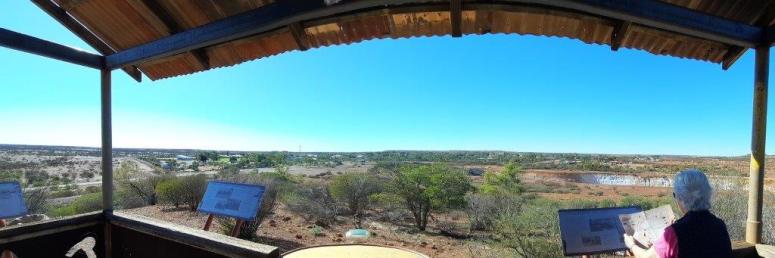
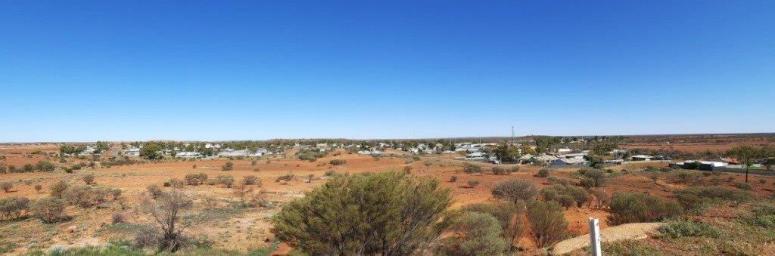
Meekatharra, at first sight, is not a place you might expect to stop apart to buy provisions, fuel and, of course, The Australian! So, it was rather a surprise to find a quite lovely camping area about 3ks out of town. It is nice and flat, there is plenty of space, probably 25 acres, in the part where most people camp but there is another area roughly the same size to the west, which we could use if it ever got crowded.
In the end we stayed here for five nights mainly because it was a good spot , the fact that there was a bit to see and do and, we weren’t in a hurry to get anywhere.
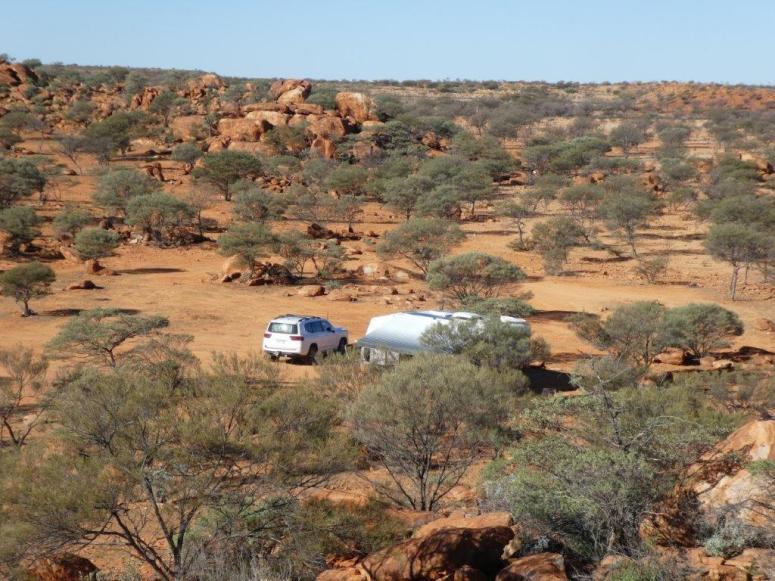
The camping area became known as Peace Gorge, after a huge picnic was thrown by the Shire to celebrate the end of WW1 and the return of it’s soldiers. It is a peaceful place and it has been easy to stay here for this length of time. Another ‘good to know of’ overnight stop off the Highway if needed in the future.
We seem to be, almost unintentionally, following a different travelling format this trip so far, in as much that we are tending to stay for longer periods in the places we have found. Three nights at Lake Ninan, another three in Cue and now five here in Meekatharra.
We’ve found something to do every day, except today, Sunday, but we’ve both been busy with catching up on various tasks. We’ve done the walking trail along the creek and the one around the town centre and the driving trail. On the latter we discovered one of the three in Australia satellite tracking stations dealing with satellite international phone calls. Also, the main RFDS station outside of Perth and a meteorology weather station. Unfortunately we’d missed the daily balloon that goes up at 7.15am! We’ve also walked round the camping area and climbed the rocks to get a viewpoint.
Photos from the driving and walking trails, in and around Meeka’.
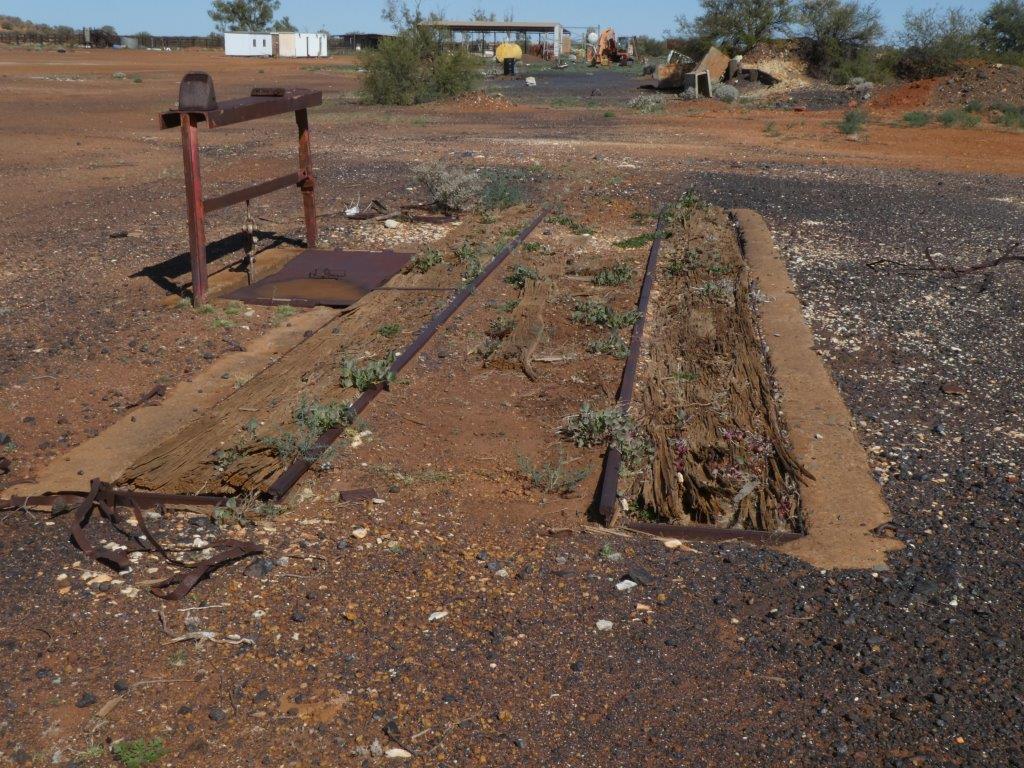
Meekatharra was an important railhead mostly for cattle and sheep initially but when gold was discovered it carried mining equipment, people and gold. At one stage there were two trains a day from from Perth to Meeka’.
We found the old stockyards, which were used for cattle and sheep, some of which had been driven 1000s of kilometres by drovers, who spent their lives doing this very arduous work, using camels and horses to manage mobs of up to a thousand head. The mobs were then sent by train to the ports of Geralton and Freemantle, the drovers travelling with them, making sure that at many as possible of their charges reached their destination alive.
During the hey day there was an attempt to extend the railhead to Newman. This was ‘ill-fated’ largely because trucks were beginning to take over, however, the Meeka’ railhead continued to operate until the 1950s.
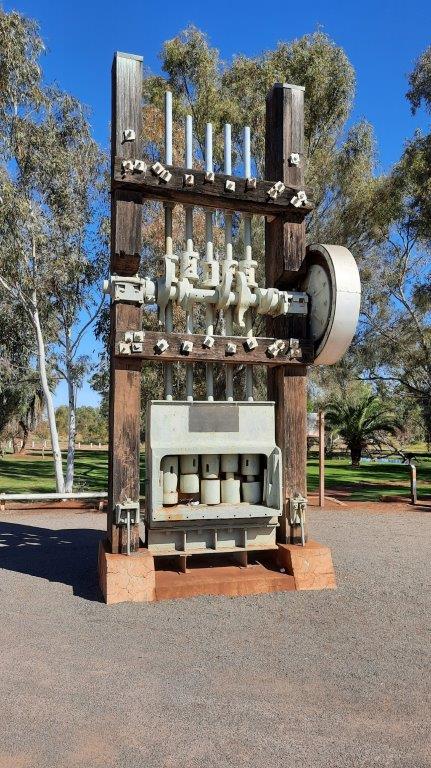
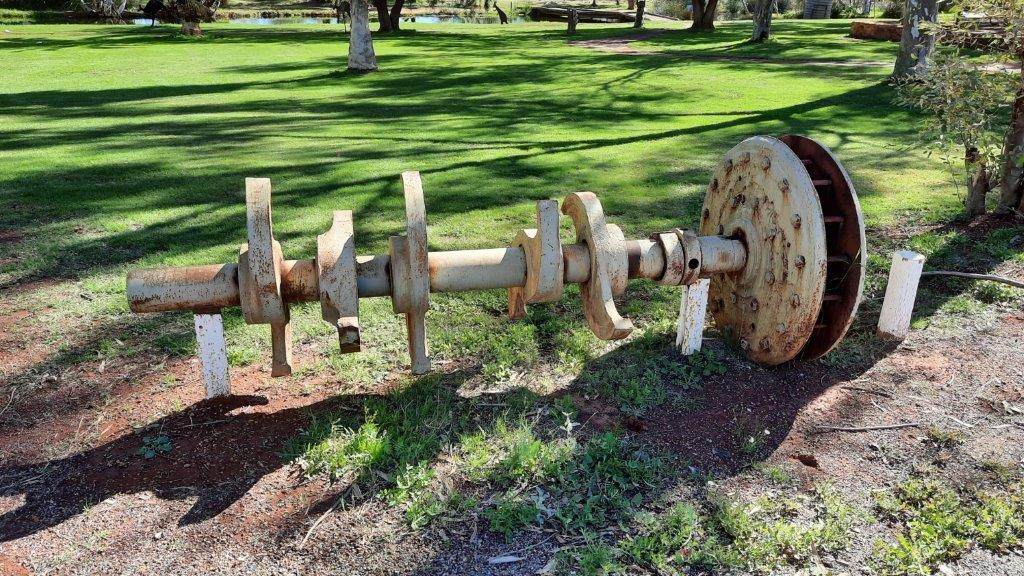
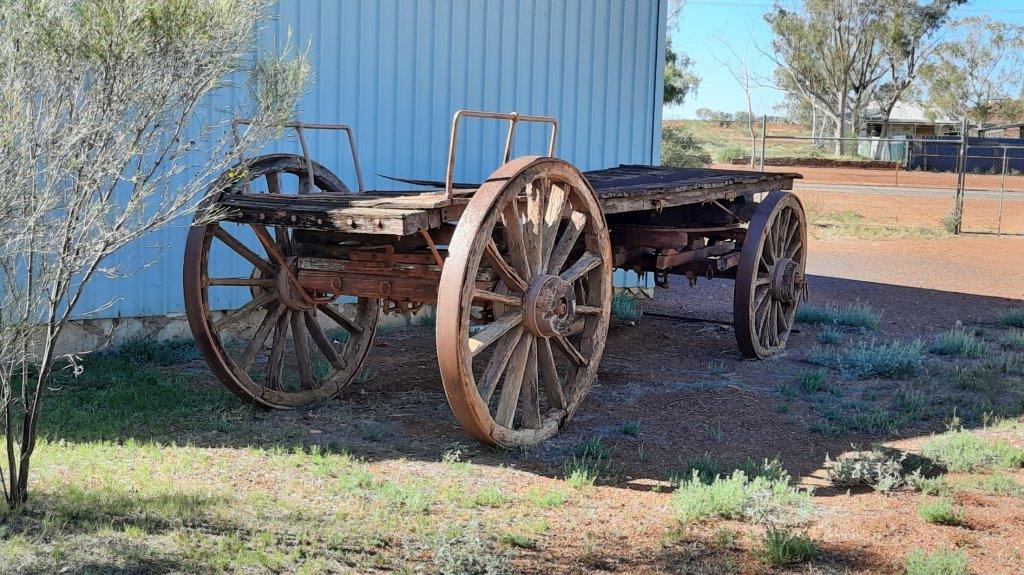
Clockwise from the left; a stamp mill for crushing (hopefully) gold-bearing rocks, a lay shaft for the mill and a typical example of the steel tyred wagons, thousands of which were the sole means of the bulk transport of people, goods, ore, i.e. everything. Drawn variously by camels, mules or oxen, depending on the conditions.
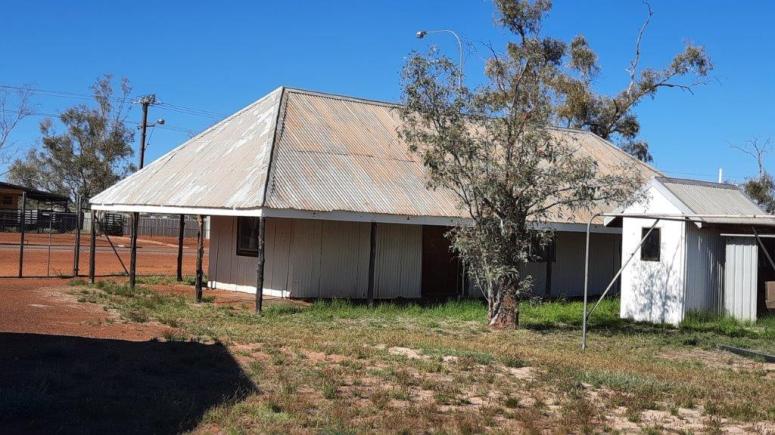
This is the Blacksmiths, believed to be the oldest building in Meeka’, dating from c1850′ and the earliest days of pastoral leases, for sheep and cattle and before gold was discovered here in 1894.
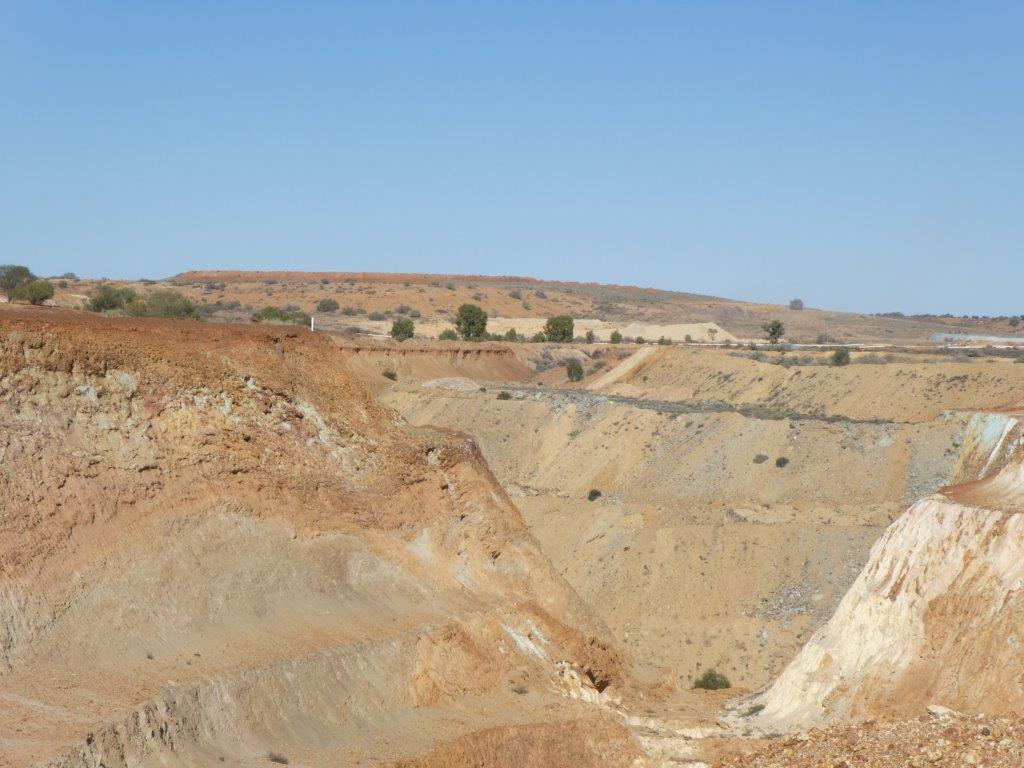
There’s a downside to these interesting old mine workings etc. Outside ‘Meeka’ is an old government owned Battery which was kept going into the 60s for the ‘little men’, the small miners who couldn’t afford their own stamp mills etc. Unfortunately, they have neither been kept for historical record or cleaned up so the area looks like this…… On the official trails the sites all have information boards, some are more informative than others.
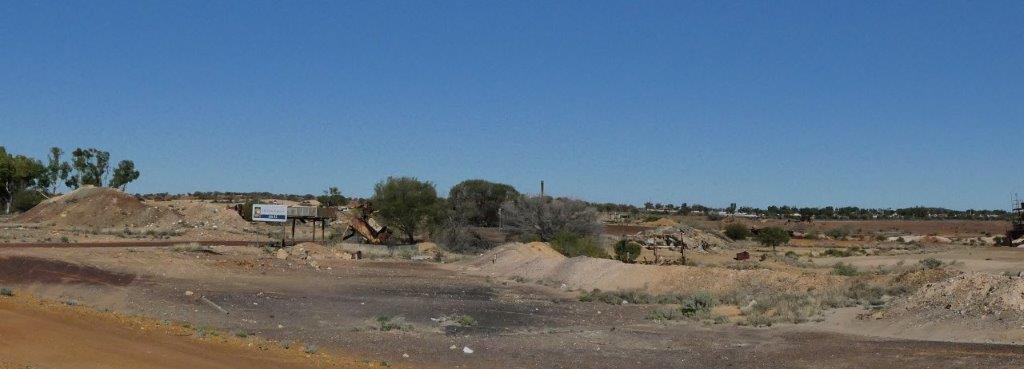
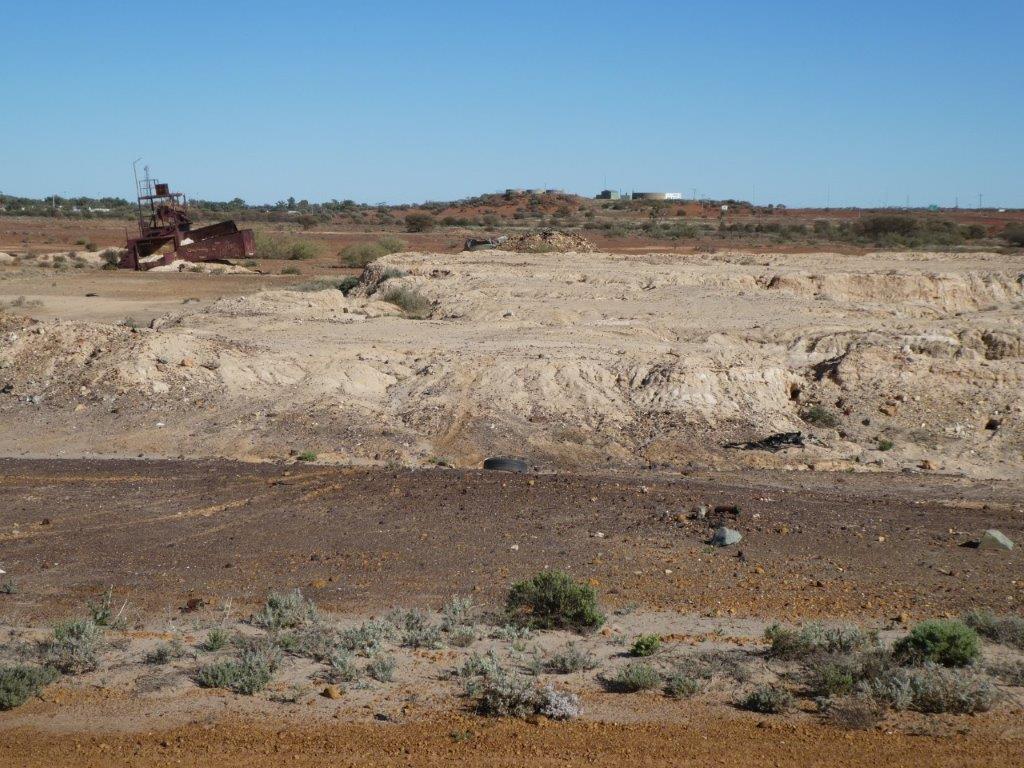
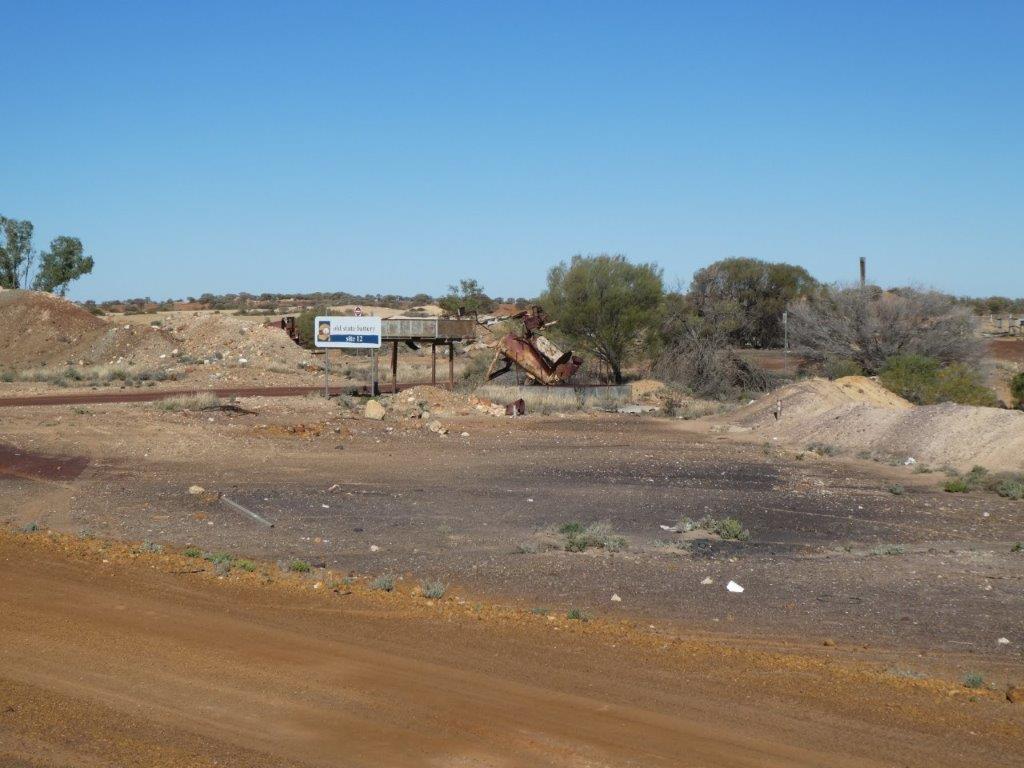
So there is just rusty junk everywhere. However, the biggest concern is that the leaching process involves considerable quantities of cyanide and mercury and how much of this is left in the mounds of filtrate (see the white mounds bottom left).

